



“But that male opted to defend his territory”: How an RT Documentary crew narrowly escaped a polar bear attack
On the occasion of RT Documentary's 10th anniversary, we're explaining what it's like to be a dedicated documentarian. Our film crews often take deadly risks for the sake of compelling stories and breathtaking footage. As a result, many documentaries released by RT Documentary in the past decade have spine-chilling backstage stories. Now it's time to share some of them.
In 2020 RT Documentary premiered Freed to be Wild, a project in association with the World Wildlife Fund (WWF), which is celebrating its 25th anniversary in Russia. The crew led by Natalia Karachkova travelled to remote places in Russia and put their lives at risk to capture the dedicated work of Russian wildlife wardens.
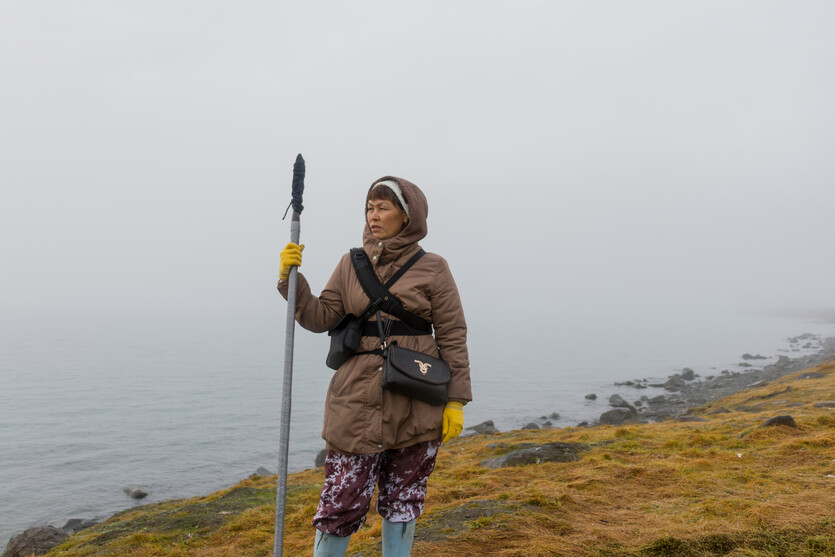
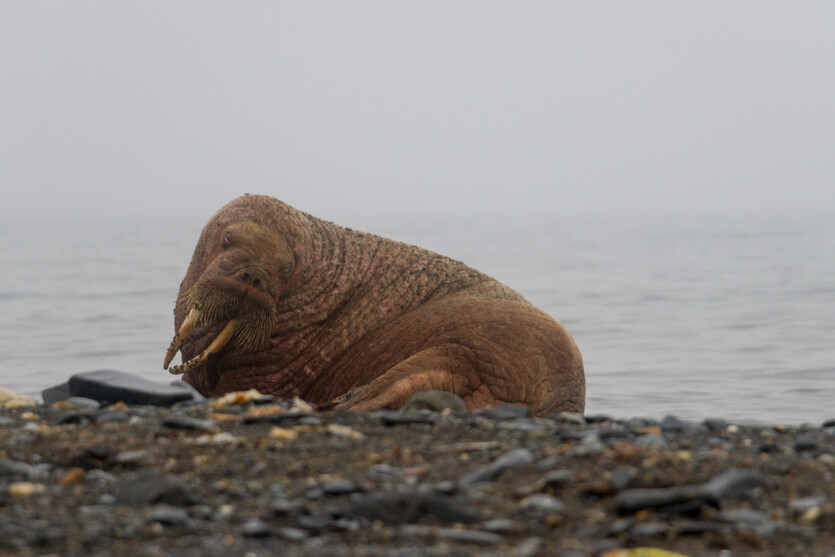
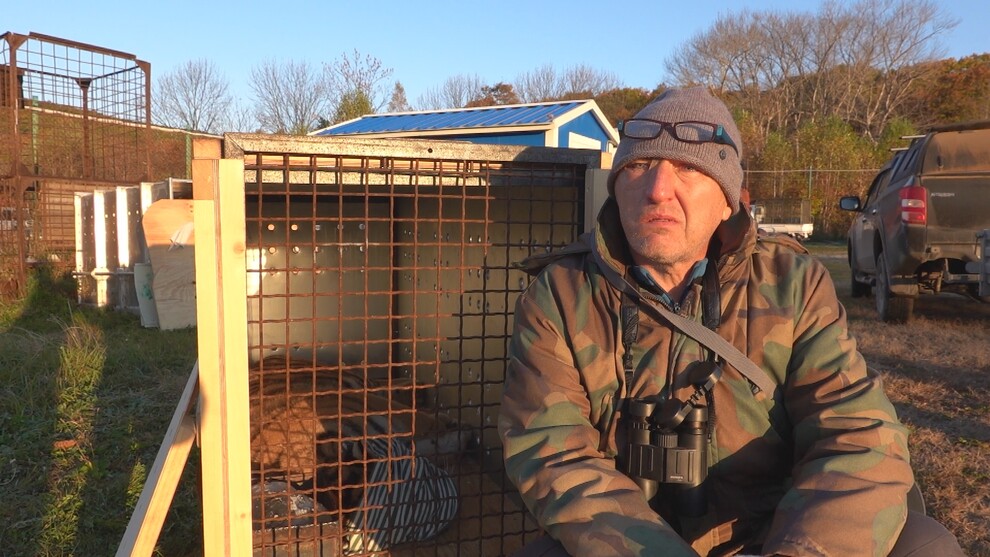
Freed to be Wild tells the stories of three WWF volunteers who devote their lives to preserving endangered species in Russia. In the remote Ryrkaypiy village in Chukotka, Tatyana Minenko leads bear patrols – groups of volunteers monitoring polar bears and walruses, protecting them from poachers and reducing contact between the animals and humans. In the Primorsky region, Pavel Fomenko protects tigers. He keeps watch over the Amur tiger population, which has recently been on the brink of extinction. Finally, in Southern Siberia, ornithologist Igor Karyakin scours the steppes searching for wild adoptive parents for Saker falcon flappers born in captivity.

 /
/
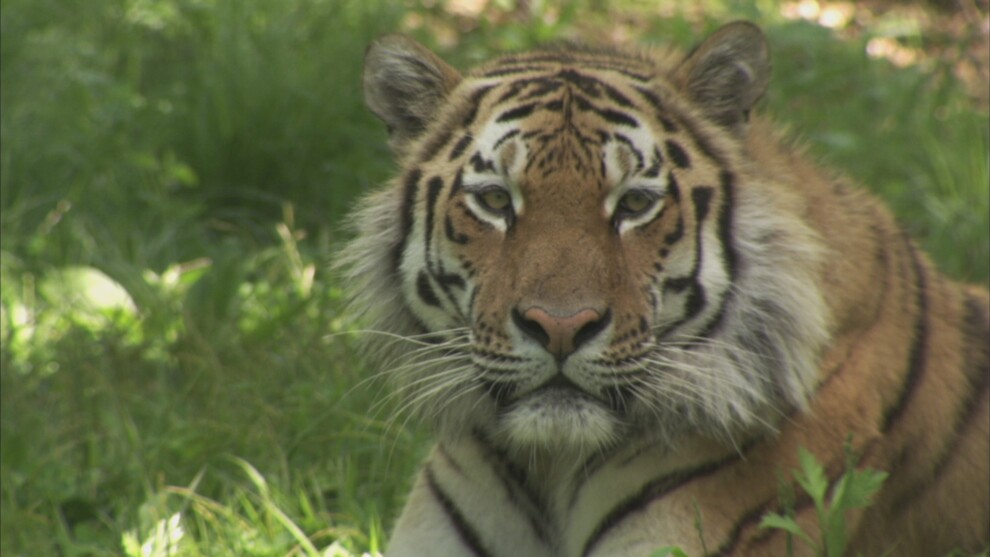
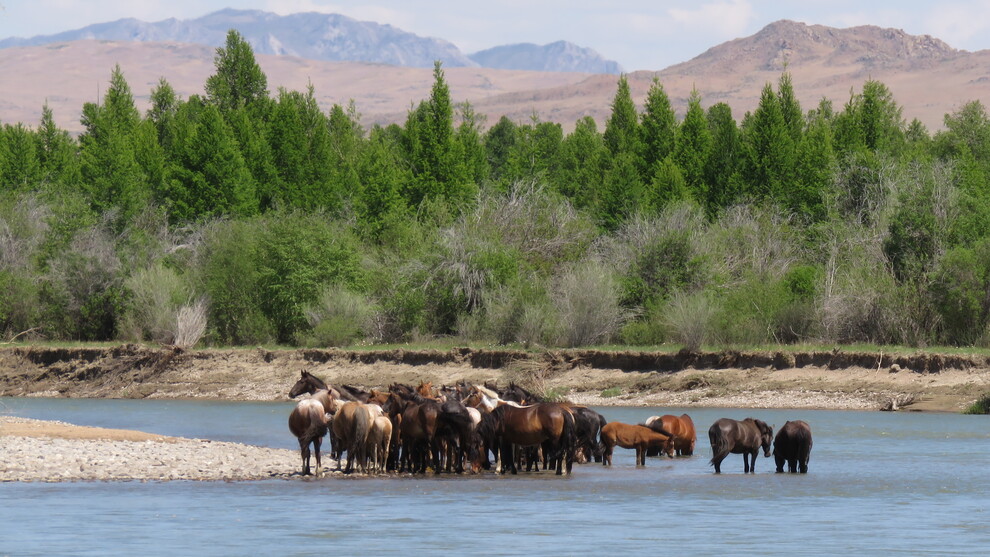
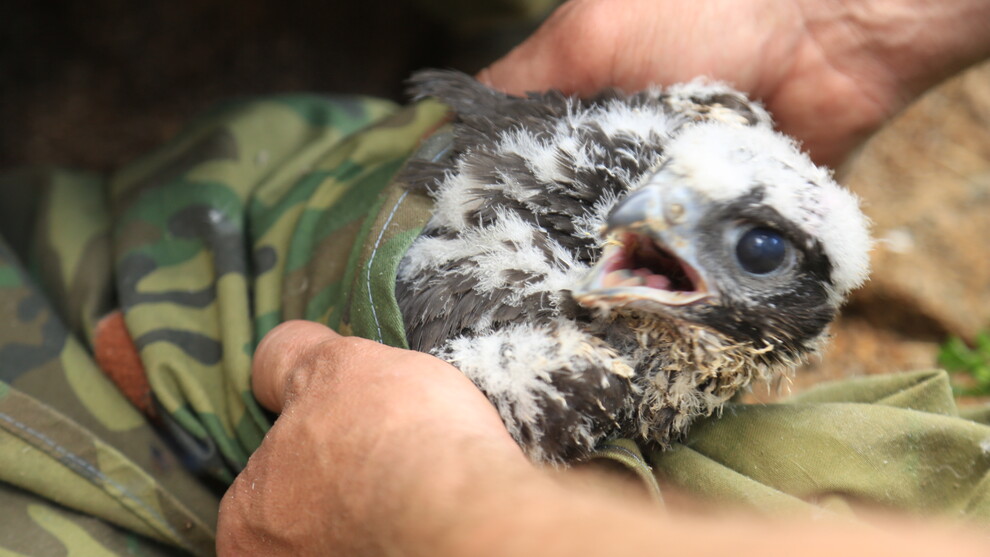


The footage of these three intriguing locations is breathtaking. But behind spectacular footage, there is often a spine-chilling story…
No sooner had the crew set out to Ryrkaypiy – the first filming location, than the adventures began. Being on the edge of the world, Ryrkaypiy can be reached only by helicopter from the biggest towns in the Chukotka Autonomous Area. But as the crew came in high season, the helicopters were overbooked. Besides, the air operator couldn't even set a departure time as the weather conditions in Chukotka are unstable, and flights cannot be scheduled in advance.
Chukotka is different from the rest of Russia, also referred to as the mainland.
/
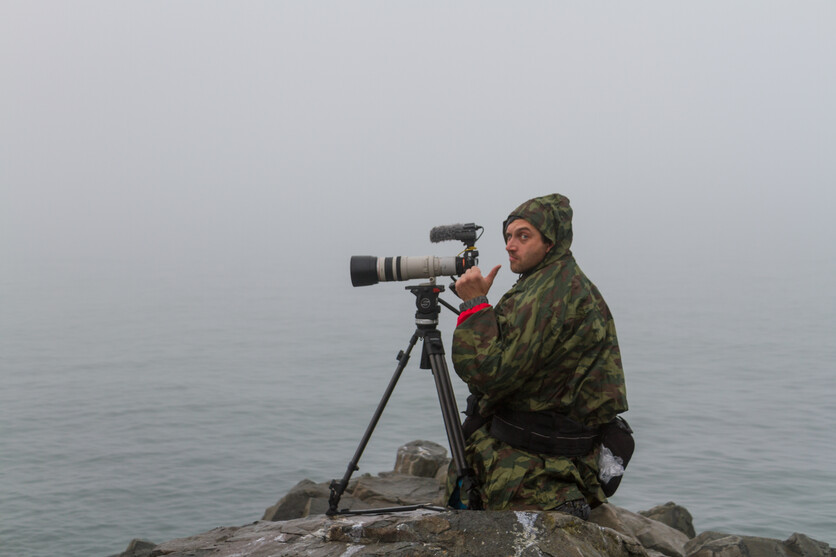
As there is no rail link with Ryrkaypiy from the mainland, a Russian military truck and a local guide was the only alternative to the overbooked helicopter. But Chukotka turned out to be tougher than the truck. Hardly had the crew settled in the truck when it gave up. The crew was stuck in the middle of nowhere and had to find refuge in an almost abandoned village. But the only thing that terrified them was not the endless tundra around them but the fact that they were losing precious time that could have been spent filming their dedicated protagonists and fascinating wildlife.
"Those days of idle waiting were the dreariest experience of our lives. The whole project was jeopardised", says Natalia Karachkova.
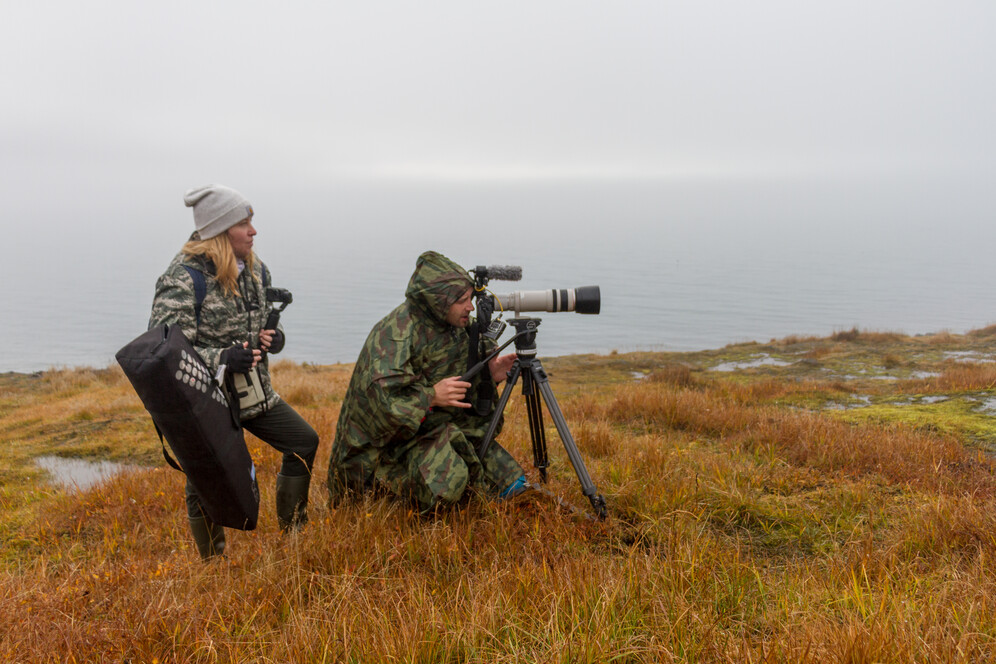
Together with their guide, the crew tried to find spare parts for the truck in an abandoned Soviet-era garage, but without success.
"It felt as if we'd wound up on the sights of a sci-fi movie. We were surrounded by remnants of a civilisation that seemed vaguely familiar, and a screw on a string right out of Tarkovsky's STALKER added to the general feeling".
Running into a brown bear is nothing compared to being stuck in the middle of the tundra, the locals say. So, in the end, the crew made a wise decision to return to Pevek – the city they set out from – and wait for a helicopter.
The crew was on a hot streak, and a few days later, they met Tatyana Minenko, the first person they were going to film. But the adventured didn't stop there…
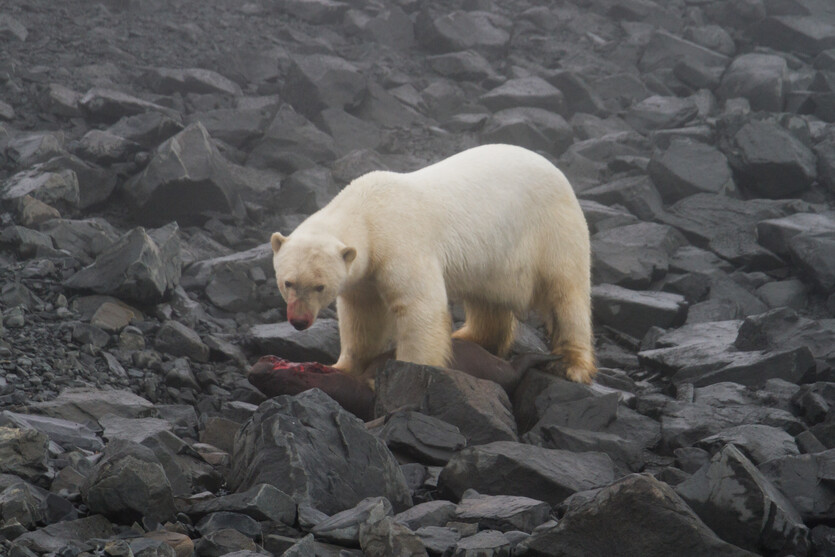
As a bear patrol leader Tatyana monitors polar bear and walrus populations on Cape Schmidt. The two species are threatened by shrinking sea ice. Besides, the two species are interrelated –the balance between them keeps bears away from human settlements. This is why the bear patrol also keeps an eye on walruses.
After a few days of peaceful footage of Tatyana keeping records of bears and walruses at Cape Schmidt in Ryrkaypiy, the crew had an unexpected encounter.
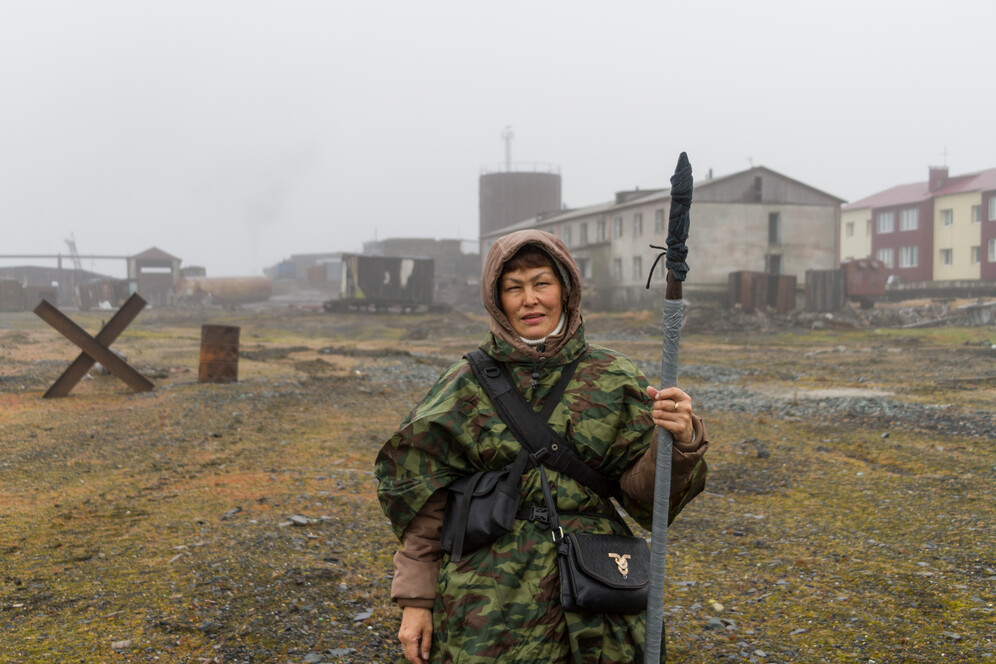
"Tatyana warned us that the bears could sense us much earlier than we notice them. So the only reassuring thing was that they were trying to get away before the humans approached. But once this logic didn't work out".
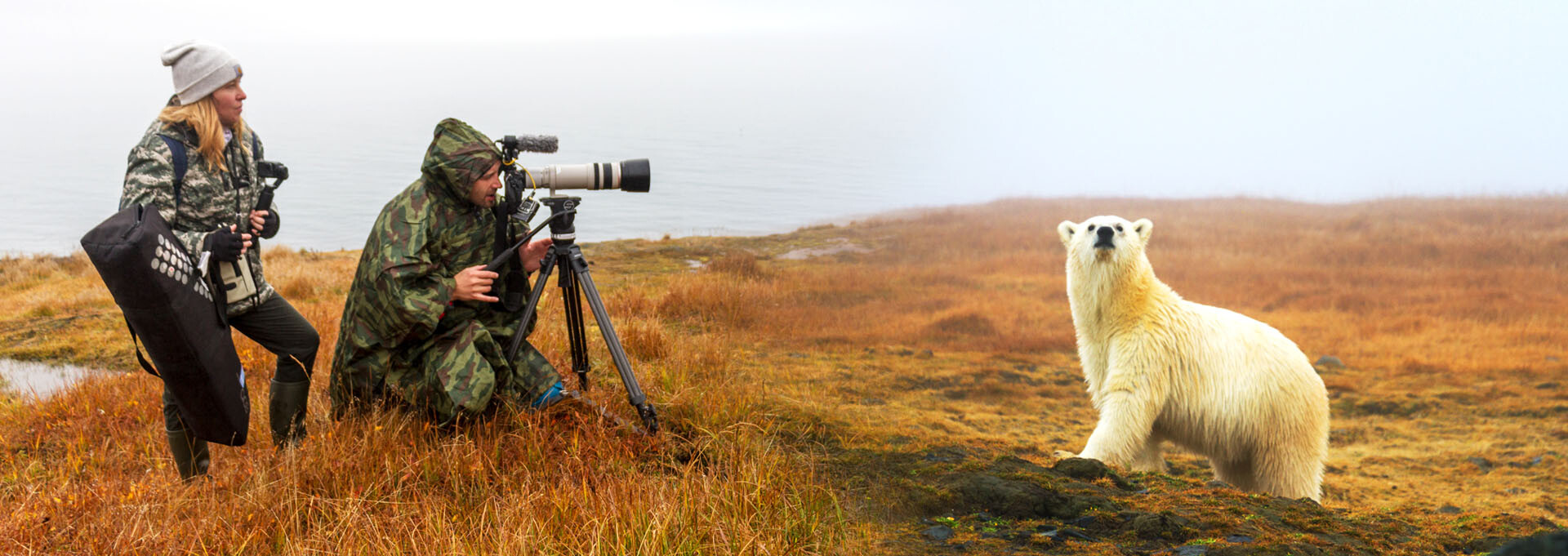
A male polar bear suddenly appeared next to the crew and didn't retreat but instead opted to defend his territory. The only protection the group had were the flare pistols and a spear – being a warden rather than a hunter, Tatiana never carries any weapons during her bear patrol trips. Instead, her voice is her primary defence – she instructed the crew to growl as loud as possible if a bear approached.
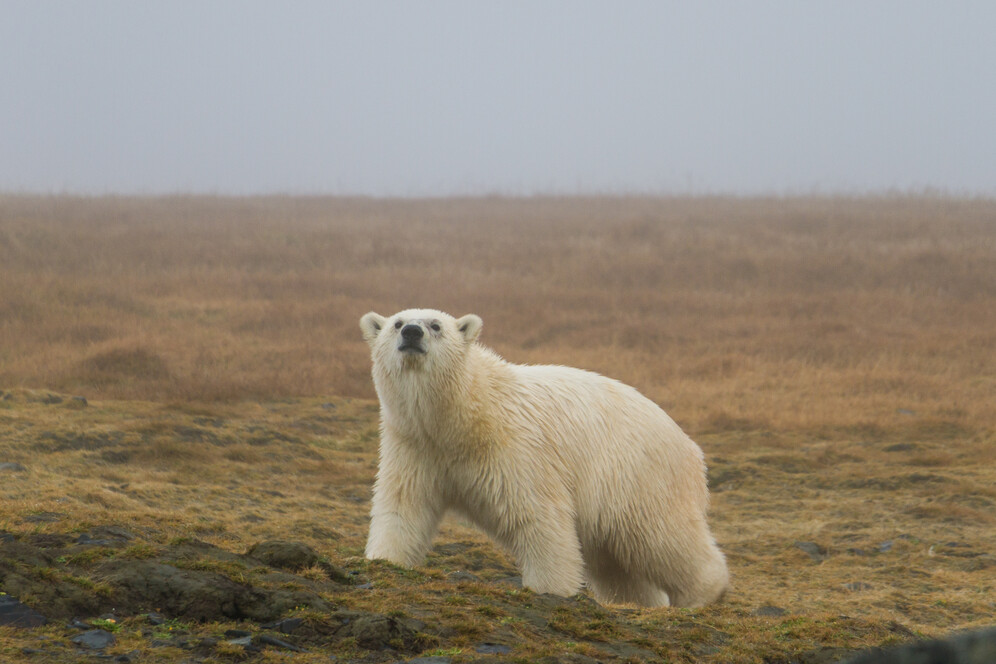
Luckily, Tatyana's lifehack helped: the growling scared the bear away, and he ran away without attacking the crew.
Chilling, right? But for Natalia and her team, the major victory consisted of deterring the polar bear and managing to film the whole "attack" episode.
"But the main thing: we managed to film it all. So, you can see this episode in the film "Free to be Wild" and in the Chukotka road movie".
Our Freed to be Wild and Chukotka road movie are available on the RTD YouTube channel.