



“On some primal level I felt we were aimed at”: how an RT Documentary crew almost got shot during filming
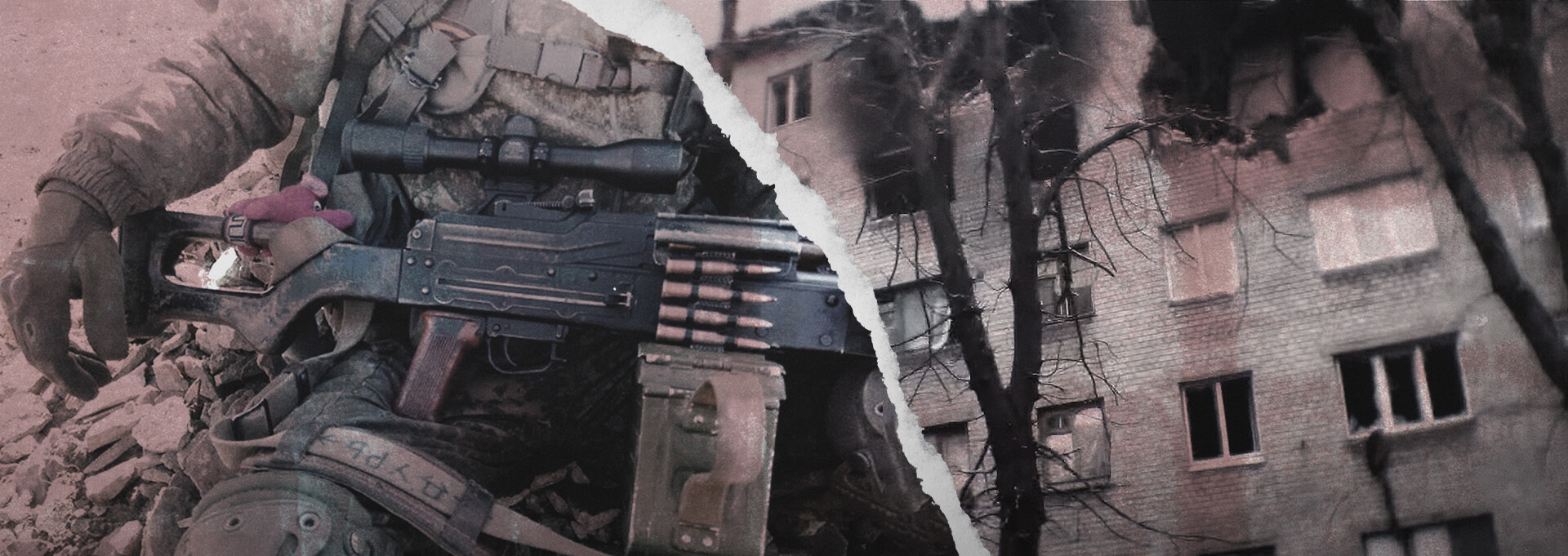
In the decade of RT Documentary's existence, our filmmakers have put their lives at risk as they tried to get captivating, true or heartbreaking footage. Yet, each is telling their stories as they only can. So, in the run-up to RT Documentary's 10th anniversary, we decided to share several of these fantastic stories to give our viewers the idea of what it is like to be a dedicated documentarian.
RT Documentary's Aleksey Kulik put together several special reports about the humanitarian crisis gripping eastern Ukraine during the anti-government uprising in 2014. Many of these reports were filmed in the frontline or amid the conflict. Aleksey and his team risked their lives on many occasions, and this story is about one of them.
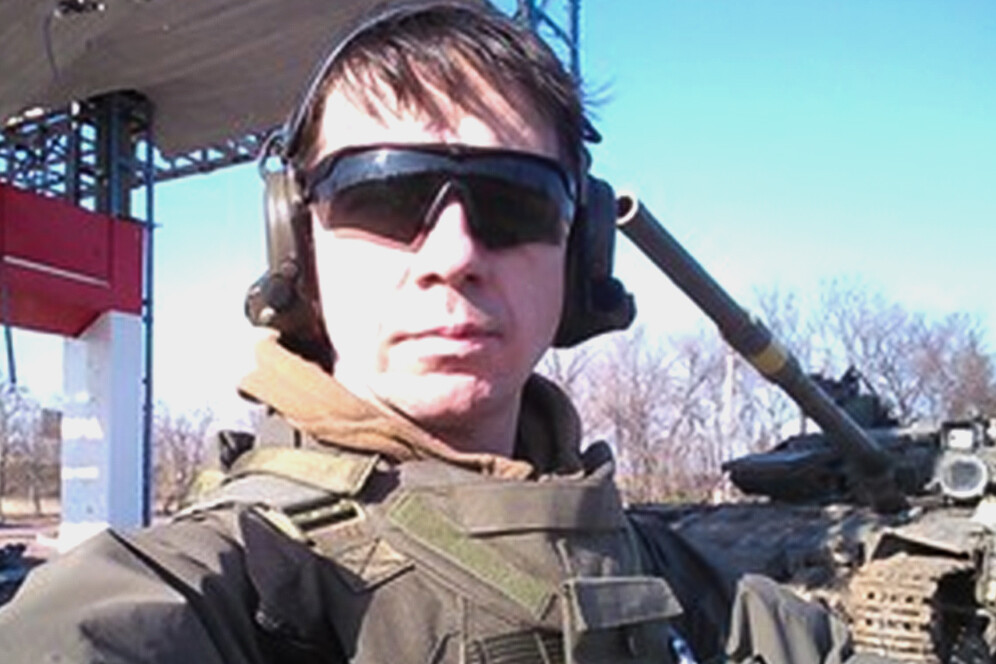
"It happened when we were filming one of the documentaries about Donetsk, "Facing the War", about Ukrainian WWII veterans caught up in the new conflict," Aleksey says. "We had to drive through a completely empty suburb and shoot abandoned apartment buildings with windows broken after another shelling. Nothing unusual, but of course, each of us considered the possibility of getting under attack. There were three of us: I was driving, the cameraman was sitting next to me, while the author was behind me, in the safe seat.
Knowledge of how to protect oneself in a war zone Aleksey got from "Bastion" courses for journalists in conflict zones. It was handy for reporters who found themselves in the frontline or were taken hostage. This is where Aleksey learned the trick with the bulletproof vest. Also, this school was a great test for those who are cut out for the job and those who are not. The simulations were authentic, as the participants had to free themselves from burning vehicles or escape from terrorists.
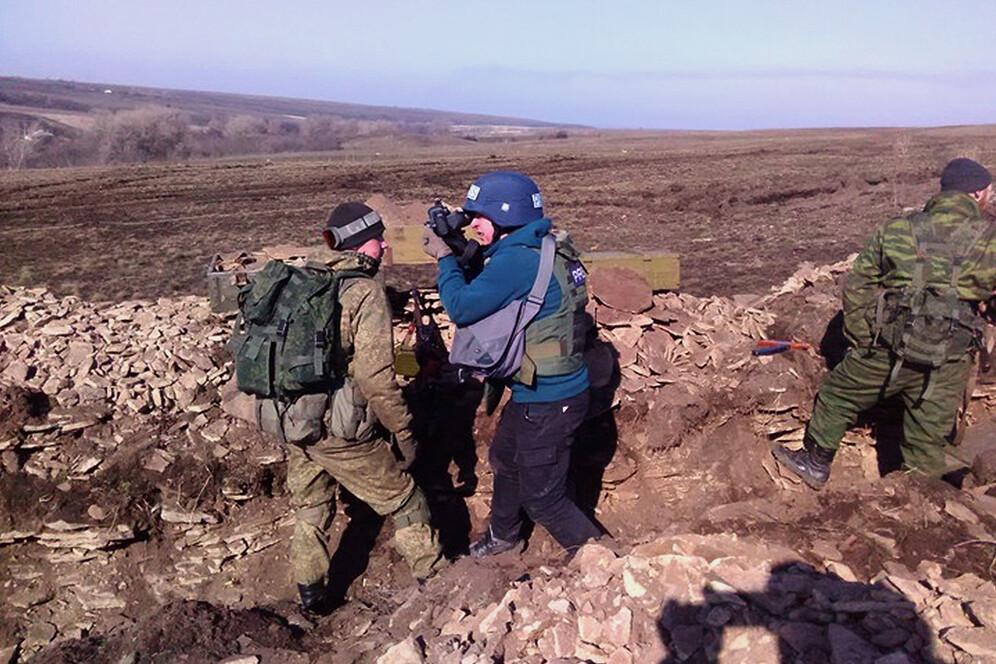
When the crew arrived at the location, they checked in with the military patrol and confirmed their itinerary. The road was clear. Everything looked normal. As they were driving, the cameraman stuck the camera out of the window to film with a shoulder mount. "We shot one take. Then another one. On take three, on some primal level, I felt we were being aimed at," Aleksey recalls. "I slowed down and noticed two shadows dashing behind the trees, about 50 metres away from our vehicle.
Amazingly, Aleksey once saw the raising the vest move in a motion picture. So he remembered it and decided to repeat it in real life, hoping it would work out. And it did!
"I felt the time stopped and then slowly began to speed up. A guy got up from his knee, emerged from behind the tree holding a Dragunov sniper rifle, then another one showed up, this time with an AK-47. They started to sort of waddle towards me. I had a feeling killing us was off the table for now, but I still knew there was a third one still pointing his gun at us," Aleksey says. "I lowered the vest and smiled as widely as I could. Then, I saw them approaching just as cautiously, but without aggression…"
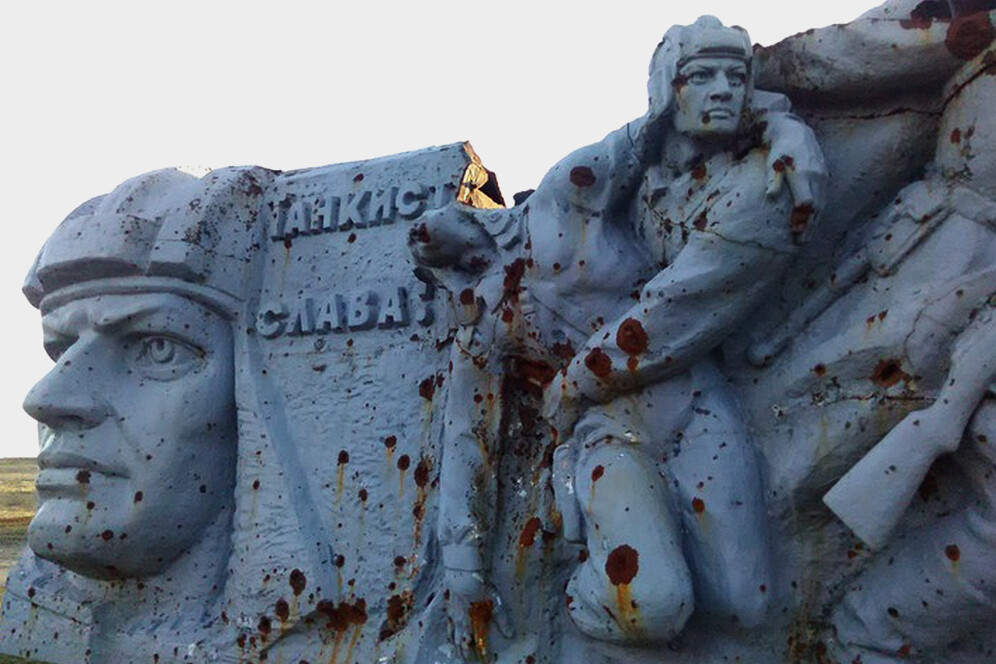
The men started asking standard questions about the team and where they came from. Finally, they admitted they were going to shoot the crew first and figure out their identities later. "Look, what we see is a car driving on the frontline," the lead soldier explained. "There is a body sticking out of the window with something in his hands that looks like a gun. I couldn't see it was the camera. We thought it was a grenade gun. No one told us you were working here. Good thing you took your bulletproof vest off."
"We had a smoke, then they left," Aleksey concludes. "We stayed a bit longer and then took off, too."
Aleksey realised he wanted to become a war correspondent in 2008 when he followed coverage of the armed conflict in Georgia. He's travelled to many conflict zones after, and in his work, he tries to be as sincere as possible. That's part of the reason he doesn't like to appear on screen himself:
Today many young, reckless reporters travel to conflict zones just for fun and hype. They barge in without knowing the rules. They don't realise how much danger they are in. "In my years as a war correspondent, my colleagues and I had saved the lives of several journalists and stringers. I remember this one guy who touched the expansion trying to get a better shot, and the bomb went off. He survived but still has serious health issues. So a war correspondent has to be both courageous and careful," Aleksey concludes. Thinking back about this deadly incident, Aleksey has no regrets.
Aleksey contemplates. "That was probably all the training I got at the "Bastion" courses. But when I recall it now, I get the chills. If only one of us moved or tried to run — we'd be dead. It all worked out."
Our Facing the War documentary is available on YouTube.